





Most seniors don’t see aging as a crutch to bear. Instead, they are welcoming the next phase of their lives as informed, educated consumers. USA Today and insurance giant United Healthcare conducted a survey on this subject.
The results show a positive and optimistic outlook on their golden years.
Our aging seniors are more focused on taking care of their health and seek more education and opportunities to improve it; they are excited to live longer and do more with their families and loved ones. Studies and recent reports also show that the aging population is growing in numbers as well as length of life expectancy.

The Importance of Self-Monitoring
The ability to monitor health at home plays a critical role in this trend. Home monitoring can help seniors keep daily records on health conditions such as high blood pressure (hypertension) and breathing difficulty caused by asthma or other health complications.
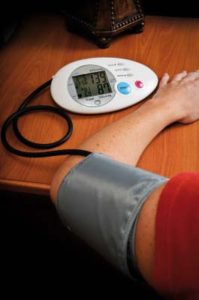
Many monitoring and measuring devices are widely available in the marketplace, and often do not require a prescription.
It’s easy for someone to track and take steps to improve their health.
There are several benefits to home monitoring:
1. Early diagnosis
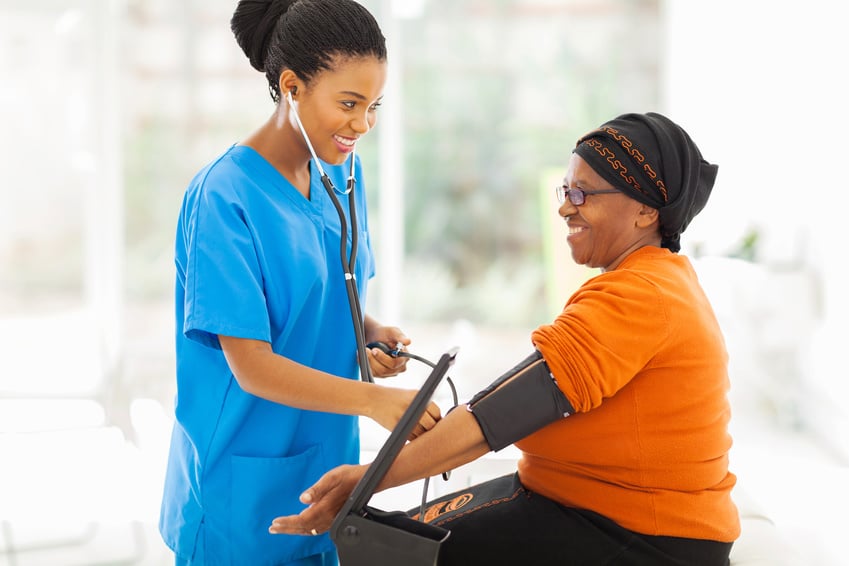
Self-monitoring can help your doctor diagnose conditions such as high blood pressure sooner than the occasional blood pressure reading at a medical appointment would. Home monitoring is especially important in cases where someone has slightly elevated blood pressure (prehypertension) or another condition that could contribute to high blood pressure, or conditions that could trigger an asthma attack
2. Eliminate false readings
Some people experience anxiety when at a doctor’s office, which can lead to inaccurate high readings. And likewise, some people have normal readings in a doctor’s office but elevated readings when outside the doctor’s office. To properly diagnose medical conditions such as hypertension, influenza or asthma, it is important for your healthcare provider to see an accurate and full picture both inside and outside the home. A record of readings taken over time can provide a patient and their healthcare provider a clearer picture
3. Exercise and activity
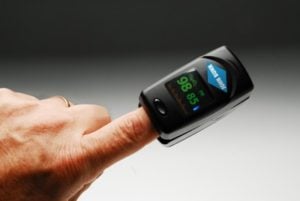
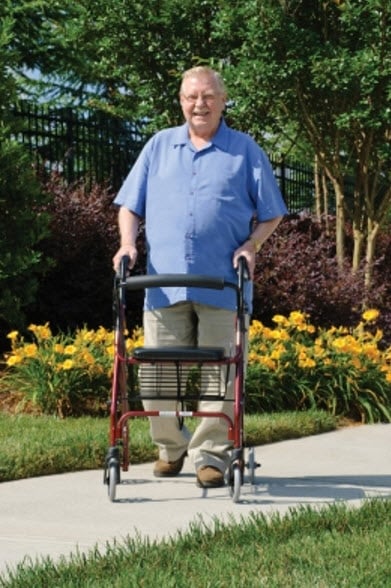
Seniors are getting more active and exercising to stay healthy. Home monitoring with a pulse oximeter can help you measure your oxygen saturation as well as help you control your oxygen levels during various activities such as walking and exercising.
4. Promote self control
Self-monitoring can give someone a stronger sense of responsibility for their health. By monitoring at home and seeing improvements in their measurements, that individual may feel even more motivated to keep working on things to improve their health, such as added physical activity and healthy eating
5. Track medical treatment
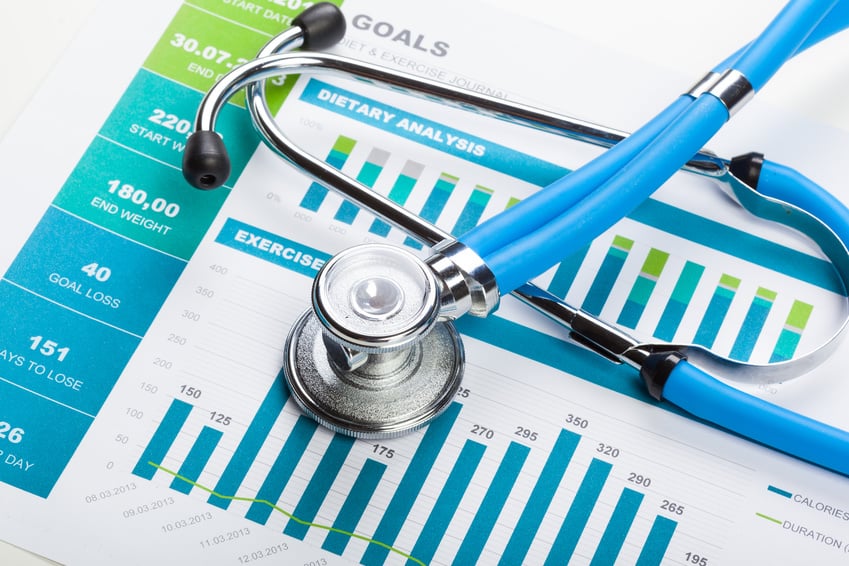
The best method of seeing if your daily activities, diet and medications are working to improve your condition is by home monitoring and checking measurements regularly. Checking blood pressure at home can help you and your doctor make decisions about your treatment, such as adjusting dosage, changing medication, or increasing/decreasing activity levels.
6. Reduce healthcare costs
Self-monitoring can potentially decrease the number of visits to a doctor’s office.
Many DME (Durable Medical Equipment) providers and pharmacies carry a wide range of home monitoring products.
It is important to discuss the appropriate level of home monitoring and record tracking that is right for you with your healthcare provider.
Sources: United Healthcare, USA Today
Contact us for more ideas and advice.
Cynthia Counts is Vice President of Product Management & Homecare SBU at Graham-Field.