


Get Accurate BP Readings Every Time — Here’s How
Monitoring your blood pressure at home shouldn’t be confusing. Our patient‑friendly checklist walks you step‑by‑step through how to prepare, measure, and track your readings with confidence. Perfect for anyone who wants clear, simple guidance for better heart health.
Use this checklist every time you take your blood pressure at home. It will help you get the most accurate and helpful readings.
Before You Take Your Reading
- Avoid caffeine, smoking, or exercise for 30 minutes beforehand
- (These can temporarily raise your blood pressure.)
- Use the bathroom first
- (A full bladder can raise your reading.)
- Sit quietly for 5 minutes
- Make sure you’re not stressed or rushing
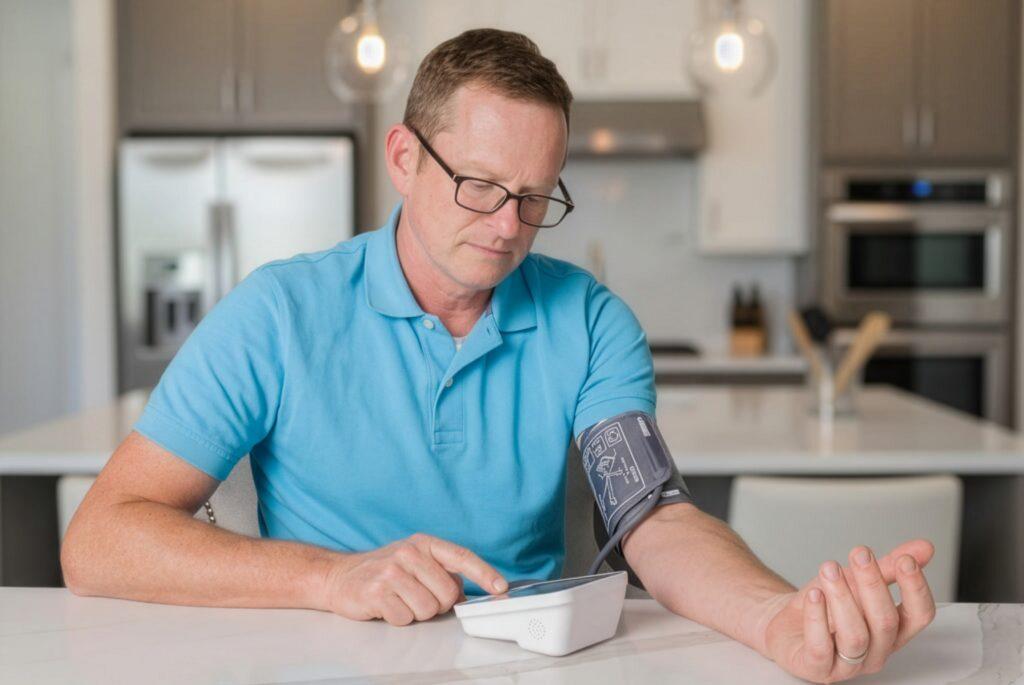
How to Sit Correctly (when using the arm cuff)
- Sit in a chair with your back supported
- Keep both feet flat on the floor
- Do not cross your legs
- Rest your arm on a table so the cuff is at heart level
Using the Blood Pressure Monitor
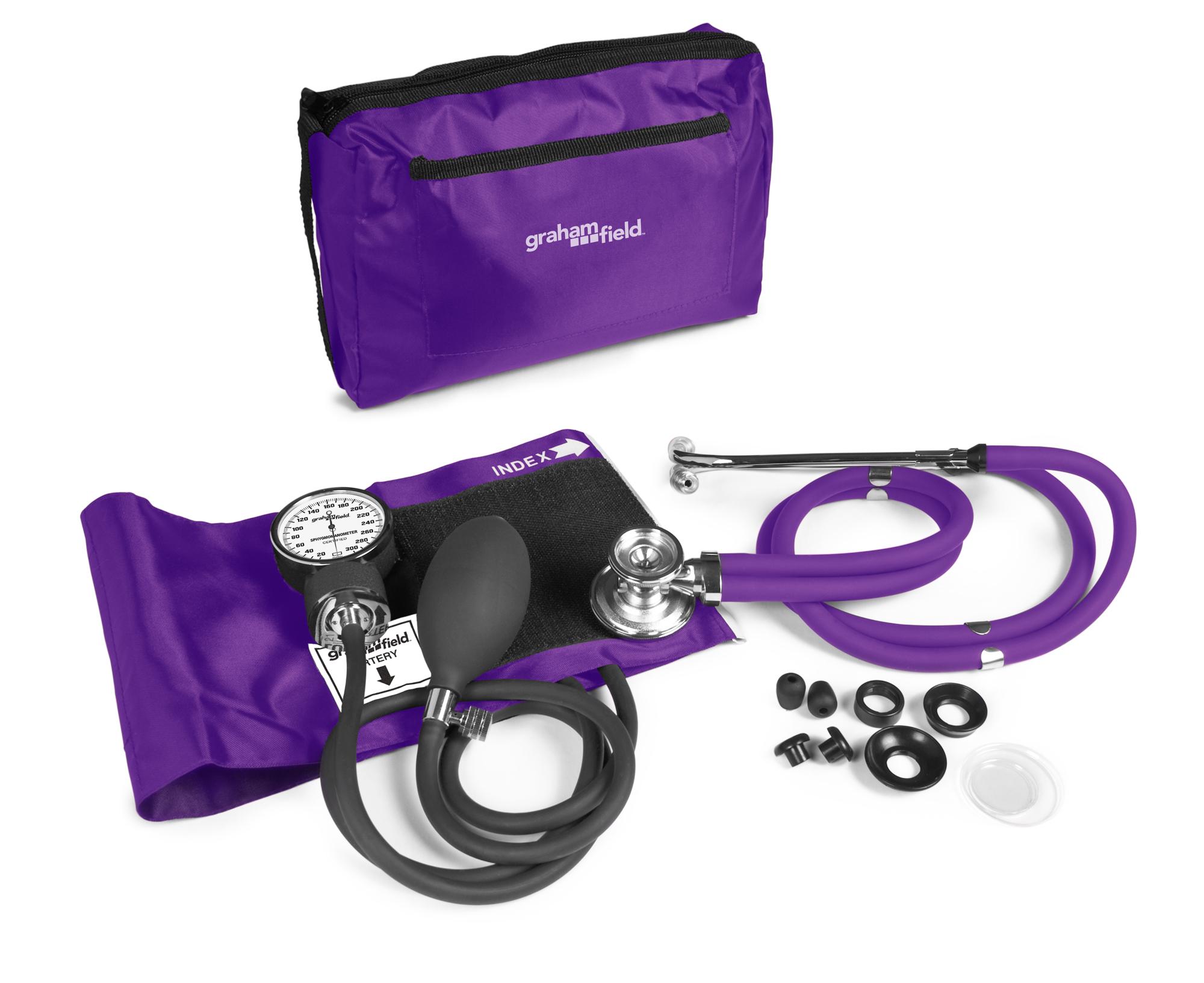
- Use a validated automatic upper‑arm cuff
- Make sure the cuff fits your arm correctly
- Place the cuff on bare skin, not over clothing
- Take two readings 1–2 minutes apart
- Record the average of the two readings

What to Record
- Date and time of the reading
- Your numbers (systolic “top number” and diastolic “bottom number”)
- Notes about anything unusual (stress, missed medication, poor sleep, salty meal, etc.)
How Often to Measure
- Daily readings, especially if your blood pressure is high or borderline
- Morning and evening checks if your healthcare provider recommends it
When to Call Your Healthcare Provider
- If your readings are consistently high
- If readings suddenly rise more than usual
- If you get a systolic (top) number ≥180 or diastolic (bottom) number ≥120—this is a hypertensive crisis
- If you feel dizzy, faint, severe headache, chest pain, or shortness of breath
Healthy Habits to Help Lower Blood Pressure
- Eat a balanced diet with plenty of fruits and vegetables
- Reduce sodium (salt)
- Stay active
- Maintain a healthy weight
- Limit alcohol
- Reduce stress
- Take medications exactly as prescribed

Citations
CDC: Self-measured blood pressure is important for early diagnosis and management; proper technique and regular checks are recommended. [cdc.gov]
American Heart Association: Home monitoring, use of validated upper-arm cuffs, proper preparation, and accurate positioning improve readings. [heart.org], [heart.org]