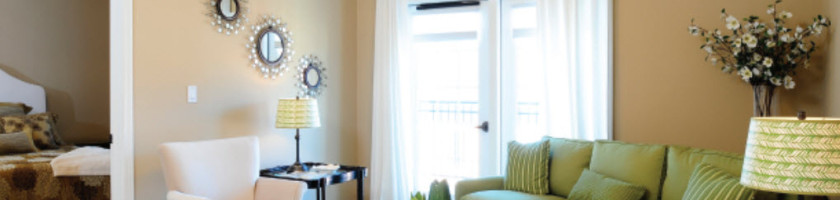






Color trends begin in high fashion, then move on to interiors. They take off from the runway to a residential setting, then on to hospitality and extended care. Our interior design experts at Basic American are well-versed in the psychology of color, and share the subtle effects that color has on your healthcare environment below.
The Psychology of Color
Daring and bold, red is a powerful color! Red raises a room’s energy level, making it a great color for gathering places: living rooms and dining rooms. It stimulates conversation and stirs up excitement.
In a memory care environment, red can also assist appetite stimulation.
The dynamic color orange blends the clarity of yellow and the energy of red. It is a cheerful and uplifting color, and can provide warmth to an otherwise somber hospice setting.
Like the energy of a bright sunny day, yellow brings clarity and awareness, although it can be a tricky color to use for seniors. Bright yellow is the easiest color to see, making it perfect for old eyes; but yellow can also make skin look very sallow and should be used with caution. Used in a room, yellow can relieve nervousness and panic.

Green is the color of nature, fertility, and life. Balance and order are found in the color green.
As the coolest color, blue is the color of inspiration, sincerity and spirituality. Bring in blue to induce solitude, peace, and a relaxed atmosphere in common areas, promoting communication between residents.
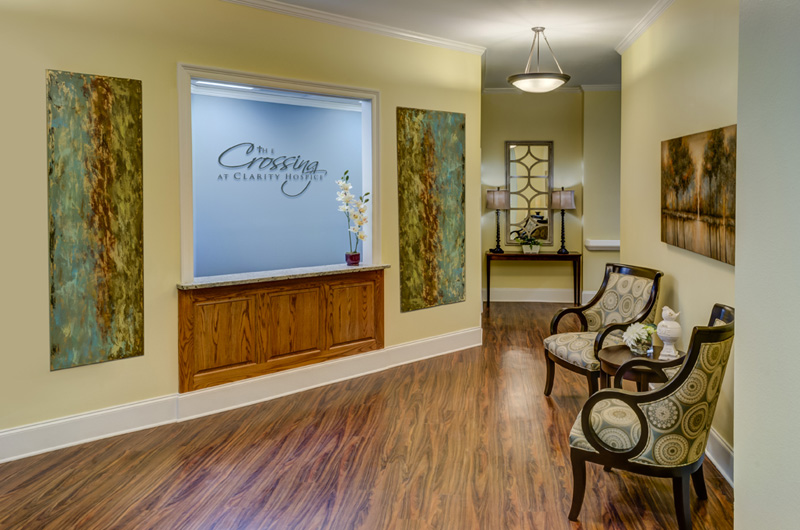
Green, a safe color, can be used anywhere, and green is a great way to bring the outdoors in.
While pinks and purples are vibrant colors that bring life to a space, they are very gender specific. Hues of pinks and purples such as champagne and eggplant should be used sparingly as not to be too trendy.
The warm and wholesome color brown provides a feeling of material security and comfort. Casegoods in sophisticated, darker brown wood tones have become very popular in both resident rooms and common areas.
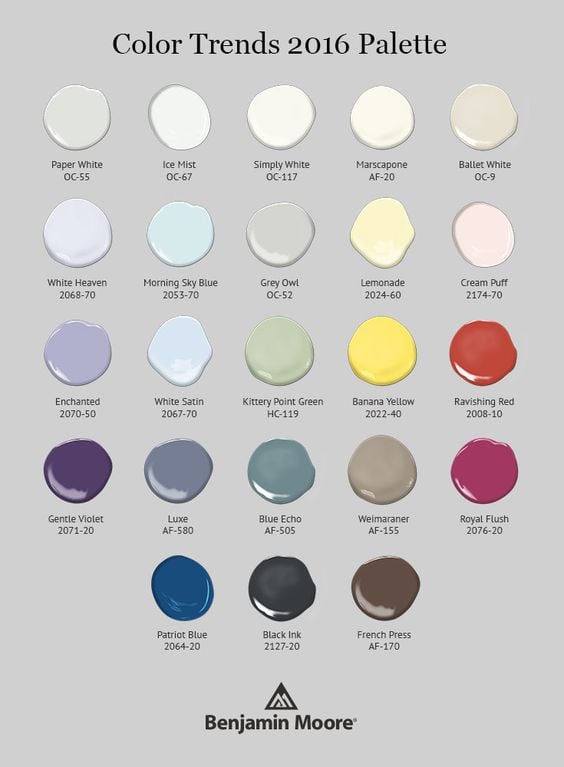
Using reliable color that is not trendy and stands the test of time is the best bet for senior living facilities, since they don’t renovate very often. Maintaining a neutral envelope (floor, walls, ceiling), and creating homelike surroundings with fabrics and accents in true color, is ideal.
It is best to balance warm and cool colors. Warm colors would be red, orange and yellow, while cool colors would be blue, green, and violet. Painting a small room with cool colors helps the room seem larger. Gray is very popular in the fashion and design world, and although it is a truly neutral color, in an extended care environment it should be used with more vivid colors.
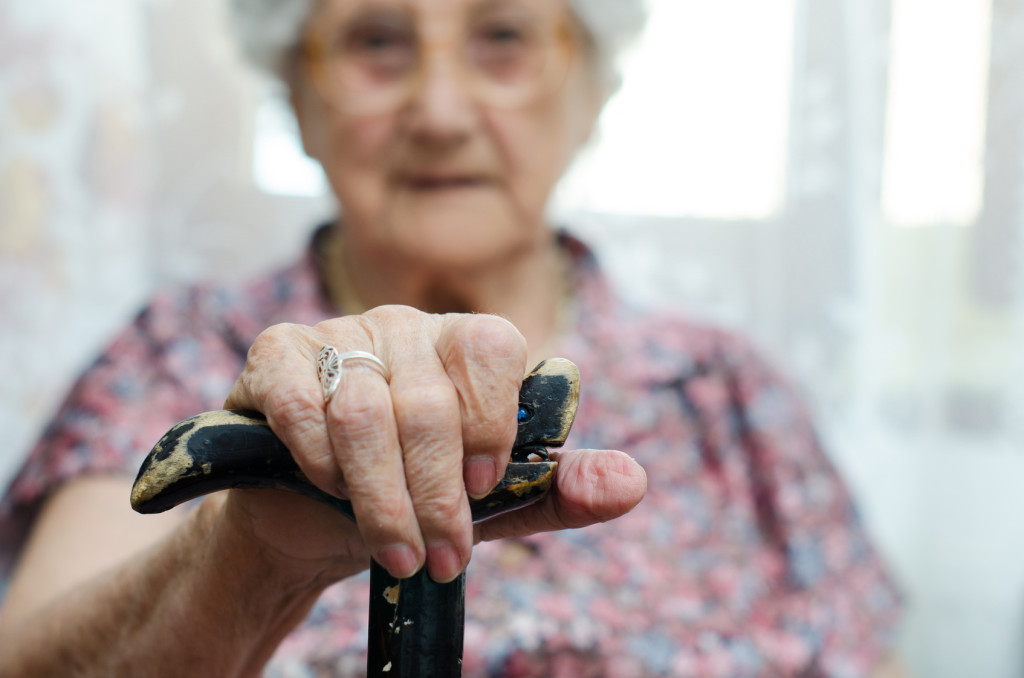
The physical aspects of aging should be taken into consideration when making color selections for extended care facilities.
As we age, subtle shade variations are difficult to distinguish. Saturated color selections are better suited to the aging eyes of seniors.
Complimentary Interior Design Services by Basic American
Planning a new addition to your extended care facility? Or perhaps you are undertaking a remodel of your community areas? Let our interior design experts at Basic American assist with the selection and style of your community fixtures and finishing touches.
We offer these advisory services free of charge, to assist our clients with creating a warm and friendly setting for residents or patients. Our designers are healthcare experts, focusing on design that enhances resident comfort and wellness. Our team can help create a warm, home-like environment that your residents and their families are sure to enjoy.
Sources: Benjamin Moore and Sherwin Williams
Contact us for more ideas and advice.
Tricia Mitchell is Interior Design Manager and Nancy Prossick is Marketing Manager, Extended Care at Graham-Field.