


Keeping track of your blood pressure is a beneficial habit you can adopt for long‑term heart health. For those who feel healthy or fall into the “borderline hypertensive” category, regular monitoring helps detect early warning signs, guides lifestyle changes, and can help prevent serious complications.
1. High Blood Pressure Has No Obvious Symptoms — Regular Monitoring Is the ONLY Way to Know
High blood pressure is often called a silent threat because it usually has no warning signs or symptoms. According to the CDC, measuring your blood pressure is the only way to know whether you have high blood pressure, as many people are unaware of their condition. [cdc.gov] [LL1]
Borderline or elevated readings can progress into full hypertension without early intervention. Regular monitoring assists in providing a clear picture before complications may develop.
2. Early Detection Prevents Serious Health Problems
The CDC emphasizes that regular blood pressure checks help health care teams diagnose problems early, allowing timely action to control rising blood pressure. [cdc.gov]
Untreated high or borderline-high blood pressure significantly increases risks for:
- Heart disease
- Stroke
- Kidney disease
- Pregnancy-related complications [cdc.gov]
This means even “slightly elevated” numbers deserve your attention.
3. Regular Readings Are Essential for Borderline Hypertension
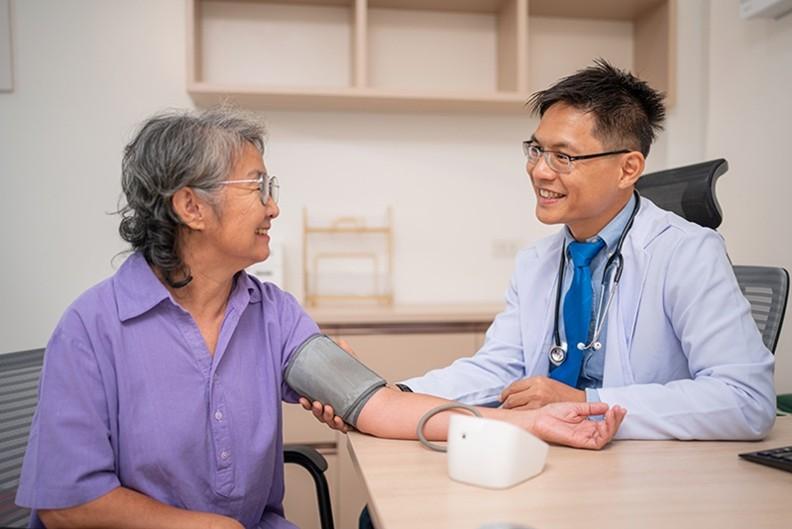
Borderline hypertension (often defined as systolic 120–129 or early 130s) is a warning zone.
The American Heart Association highlights that home monitoring is especially important for individuals with high blood pressure or those beginning / adjusting treatment helps confirm diagnosis and track progression. [heart.org]
For borderline individuals, consistent monitoring helps:
- Reveal upward trends early
- Determine whether lifestyle changes are working
- Support decisions about medical intervention
4. Monitoring Helps Identify Daily Patterns and Hidden Risks
Blood pressure can rise due to stress, caffeine, lack of sleep, dehydration, and more. The CDC encourages self‑measured blood pressure (SMBP) because it helps track readings over time and identify patterns outside the doctor’s office. [cdc.gov]
AHA notes that home readings can help confirm diagnoses and monitor how treatment is working—important for catching masked hypertension (normal in clinic, high at home) or white‑coat hypertension. [heart.org]
5. Proven Health Outcomes: Lower Numbers Mean Lower Risk
The ACC/AHA 2025 guidelines stress the importance of maintaining blood pressure below 130/80 mm Hg, with evidence showing that reducing systolic pressure by 10 mmHg decreases risk of:
- Coronary heart disease by 17%
- Stroke by 27%
- Heart failure by 28%
- All-cause mortality by 13% [acc.org]
Regular monitoring enables people—especially those with borderline hypertension—to track progress toward these protective targets.
6. Monitoring Empowers Better Lifestyle Decisions

The CDC notes that people who perform self‑measured blood pressure monitoring combined with healthcare team support are more likely to lower their blood pressure than those who don’t monitor at home. [cdc.gov]
Seeing your numbers change daily makes it easier to understand how habits affect your blood pressure:
- Exercise naturally lowers readings
- High-sodium meals spike blood pressure
- Stress management reduces daily fluctuations
This helps healthy individuals maintain optimal levels and borderline hypertensive people prevent progression.
7. Supports Conversations with Your Healthcare Provider
Bringing a log of home readings to your check-up gives your clinician a more complete picture. It helps them:
- Diagnose hypertension accurately
- Adjust medications when needed
- Provide personalized lifestyle recommendations
The AHA stresses that home monitoring does not replace doctor visits but strengthens decision-making and treatment accuracy. [heart.org]
8. Practical Tips for Accurate At‑Home Readings
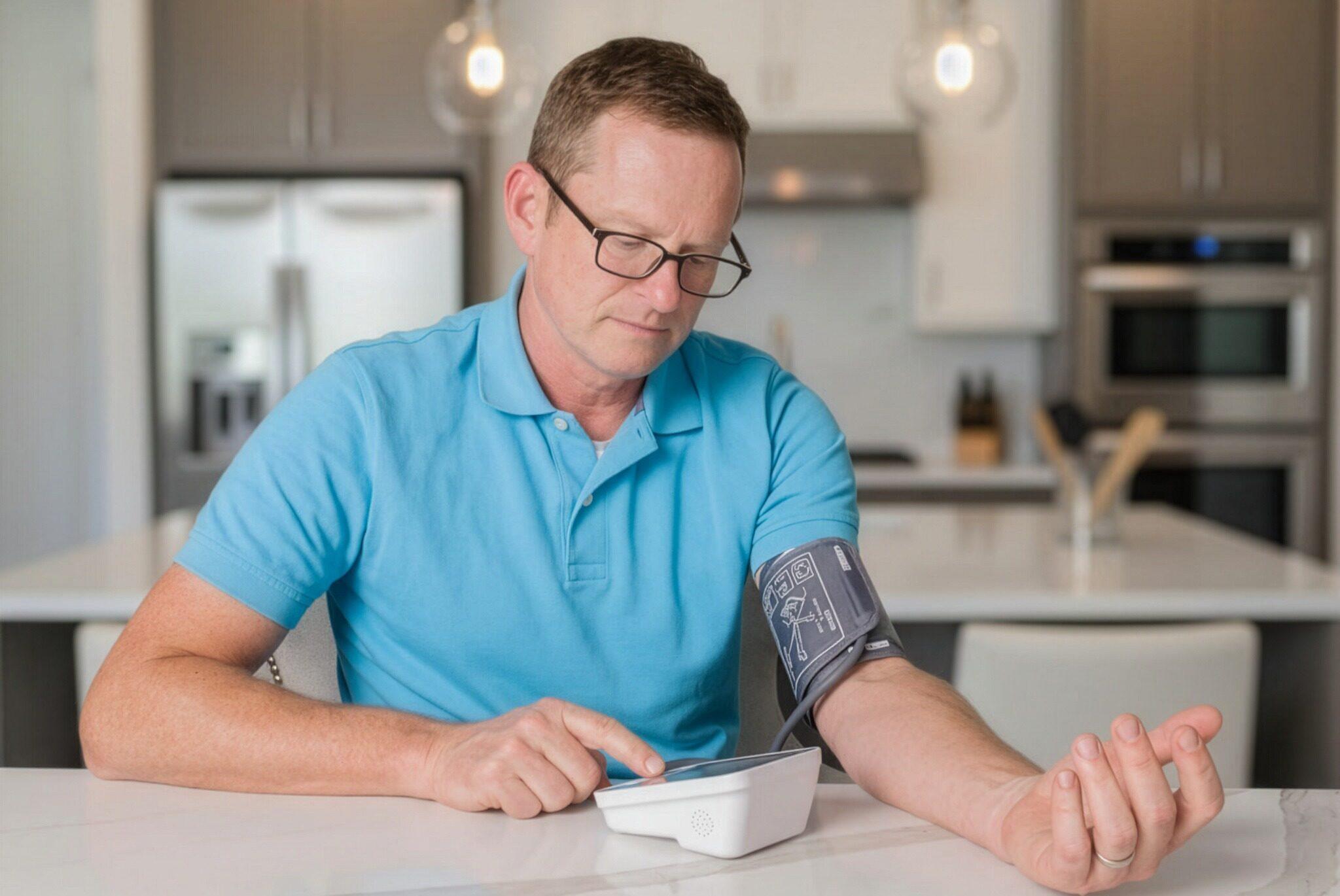
Both the CDC and AHA offer detailed guidance for the proper blood pressure monitoring technique:
- Sit upright with back supported and feet uncrossed and flat on the floor
- Keep the cuff at heart level
- Avoid caffeine, smoking, and exercise for 30 minutes before a reading
- Ensure you’re using a validated, upper-arm cuff monitor
[heart.org], [heart.org]
Accurate readings help ensure you and your healthcare provider aren’t misled by avoidable measurement errors.
The Bottom Line
Whether you are healthy or managing borderline blood pressure, regular monitoring is foundational for prevention, early detection, and long-term health protection.
Trusted organizations—CDC, AHA, ACC, and others—consistently reinforce the message that routine blood pressure readings save lives by identifying issues early and guiding effective management.