






Pressure is a part of everyday life. I’m not talking about the pressure of bills, traffic, or your boss, but the continuous physical force exerted upon us by our bodies when we sit or lie in one position for too long.
Once blood flow is compromised, the surrounding tissue becomes damaged and an ulcer, or pressure sore, is formed.
As we sit or lie down for extended periods of time, the weight of our body compresses tissues and limits blood flow around high-risk bony prominences such as the lower back and buttocks, heels, and shoulders.
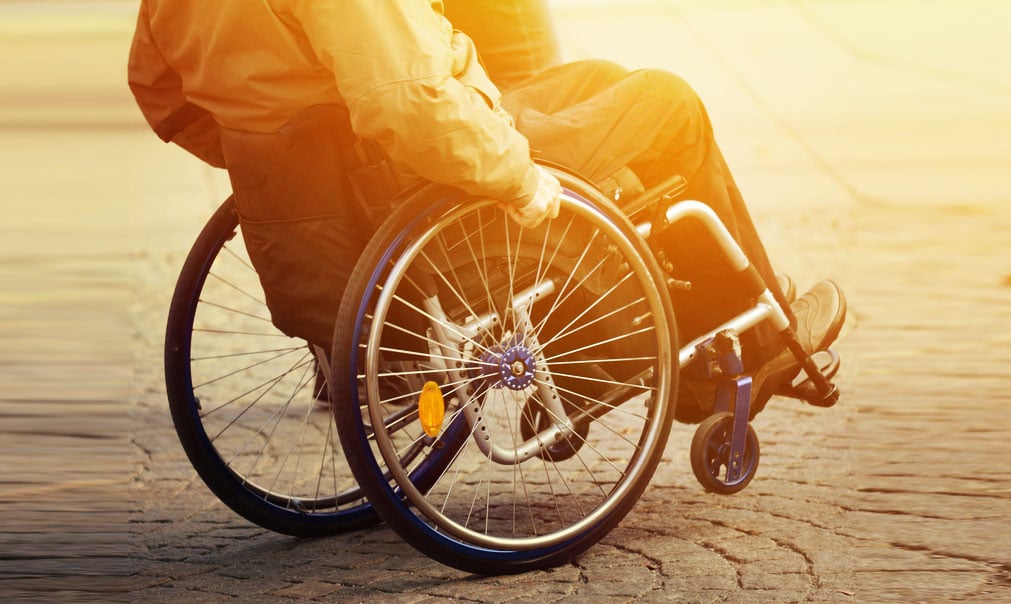
Once blood flow is compromised, the surrounding tissue becomes damaged and an ulcer, or pressure sore, is formed.
One requirement for minimizing risk is reducing or relieving ongoing pressure. Here are a few situations to pay attention to, whether at home or in a healthcare facility.
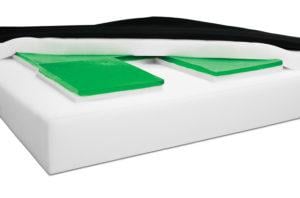
Wheelchair/Chair Pressure
When we sit, we place a large portion of our body weight on a small area. If you are at risk and are unable to reposition, the use of a wheelchair cushion such as the Everest & Jennings® Dura-Gel™ SP III, shown at right, can help distribute the pressure over a larger area.
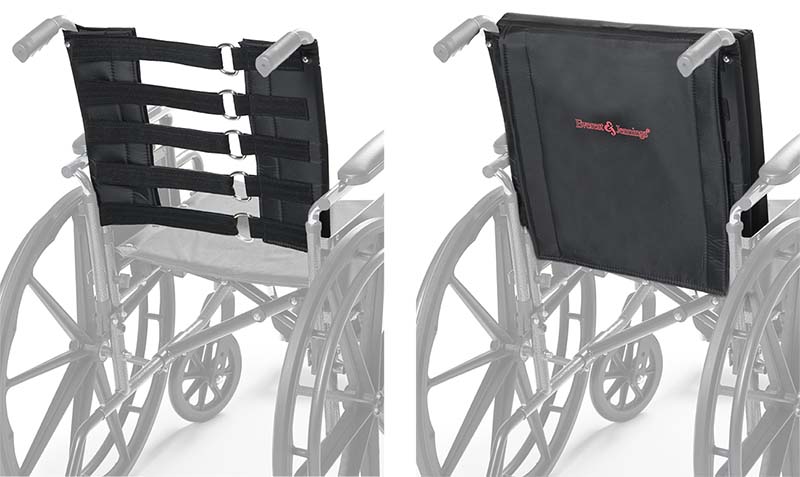
In addition to the seat cushion, a soft back may be called for. There are many styles to choose from, among them the Adjustable Back Cushion, shown above, which can help reposition a wheelchair user to relieve pressure.
Bed Pressure
The bed is a major area of concern when trying to prevent pressure-related injury. If a patient is restricted to their bed, their risk of pressure injury increases dramatically. The use of a therapeutic support surface can be an important part of a pressure-sore prevention plan.
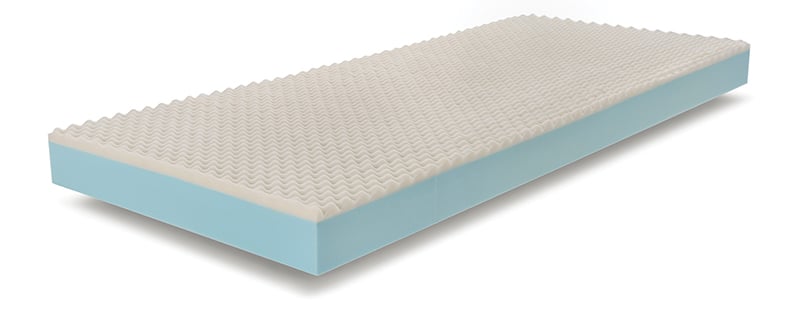
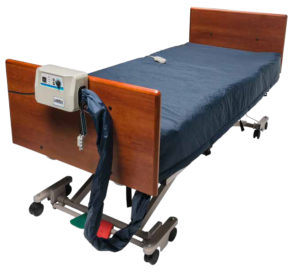
Choosing the correct mattress for the patient is also important. For basic needs, a pressure redistribution foam mattress is the best place to start. Soft enough to immerse the user, yet firm enough to support their weight, a quality foam mattress can make all the difference.
For those at high risk, an alternating pressure or low air loss mattress — a powered air mattress that provides a higher level of pressure redistribution and pressure relief — may be necessary.
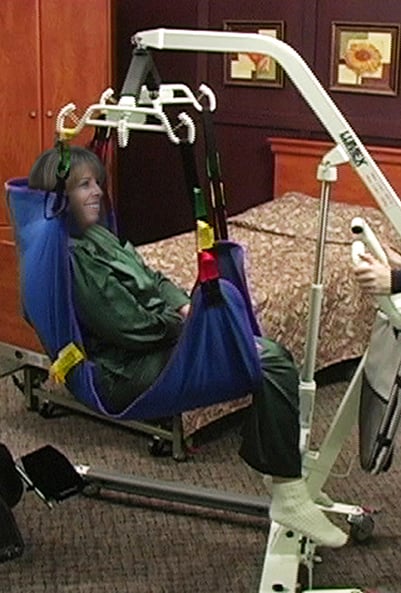
Transfer Pressure
For those at risk of developing a pressure-related injury, the act of transferring from one surface to another can also be a point of concern. Shearing forces happen when a patient slides over the edge of the bed and into a wheelchair.
This repeated action can tear already thin or damaged skin and exacerbate an injury.
Utilizing a floor lift or stand-assist-style lift at the times of transfer can reduce the amount of force required to lift or transfer a patient.
Graham-Field offers a variety of slings in various styles and fabrics, with and without padding, to reduce the stress or pressure on the patient while undergoing the lift procedure.

How You Can Help
For those at risk of pressure-related injury, the possibility for trauma is present whenever the body comes into contact with a foreign surface. Keeping an eye out for potential hazards can be a good starting point for a pressure injury prevention plan.
Contact us for more ideas and advice.
Kessler Colson is a Product Manager at Graham-Field.