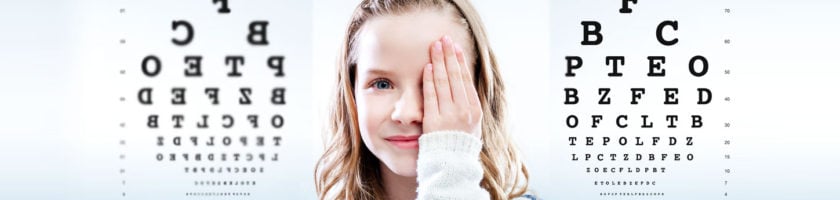






Your eyesight is literally a window to your surrounding world. We depend on our eyes for so much of the life experiences we take in each day, thanks to our vision and distance-gauging abilities. In fact, we identify up to 80% of all impressions by means of our sight.
Adults, especially over 65, and children alike should maintain their eye health – and that means being tested on a regular basis.
Graham-Field understands this, and is why we offer a diverse line of eye test charts for medical examinations. These charts assess an individual’s basic vision, visual acuity, and color detection, and should only be used by a medical professional.

Graham-Field Eye Test Charts Made for Distance
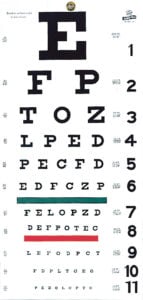
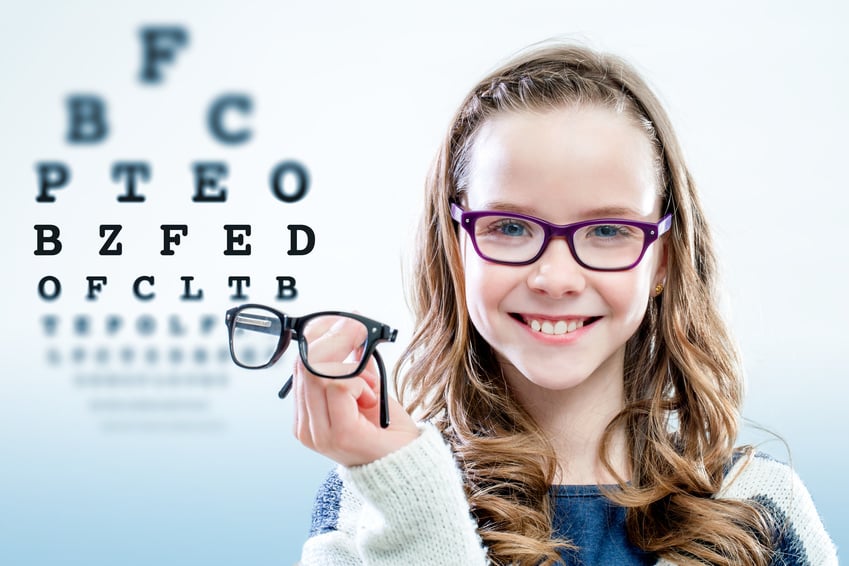
The Snellen Eye Chart, developed by the Dutch physician, Herman Snellen in 1863, tests for impaired eyesight. The patient, viewing the chart from 20 feet/6.1 meters, is to read off letters such as P, S, E, Z, and L that get successively smaller with each line read.
As most of us know 20/20 vision is normal or perfect eyesight. But what exactly does that fraction refer to? The first number of the fraction refers to the distance between the individual and the chart and should always be 20. Because some of us might have a score slightly off of 20/20, the second number actually compares the individual’s eyesight to 20/20 eyesight.
For example, the score 20/30 indicates that from 20 feet away the individual can read a line that people with 20/20 vision can make out at 30 feet.

A score of 20/10, on the other hand, means that at 20 feet the individual can read a line that people with 20/20 vision would have to move up to 10 feet to see clearly. This shows when the second number is larger your eyesight is not as sharp and when the second number is smaller you have above average eyesight.
The Jaeger Eye Chart is used for reading up close and determining visual acuity, or general visual performance. When reviewing the chart, you will see the notation 1 next to the paragraph with the smallest text and each progressive paragraph of larger text is noted with an increase in the number.
As you progress to larger lettered paragraphs, the lettering size increases for lesser visual acuity. The individuals’ acuity is recorded as J.1, J.2 in ascending size up to J.20.
Eye Test Charts for Visual Acuity
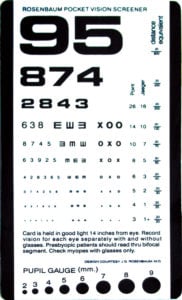
The Rosenbaum Pocket Vision Screener assesses an individual’s visual acuity (Va). To determine the “best-corrected” VA, the individual should wear their corrective lenses (if any) when using the screener. The patient is then to hold the evenly illuminated card 14 inches/136 centimeters away from their eyes.
The patient’s right eye is always examined first. Therefore the patient will first cover their left eye and read each letter or word on the line of smallest characters that are legible on the card.
After the VA for the right eye is recorded, the process is repeated for the left eye and then with both eyes.
What if a patient cannot see the letters or numbers on the card?
These patients should have their vision tested using different method such as counting fingers, detecting hand motion, or determining light perception.
Eye Test Charts for Color Detection
Many people have a misconception that color blindness means a person is only able to see in black and white. While this is possible, it is very rare. Color blindness is a commonly inherited condition in which certain colors cannot be distinguished.
While full color blindness is possible, Red/Green color blindness is the most common.
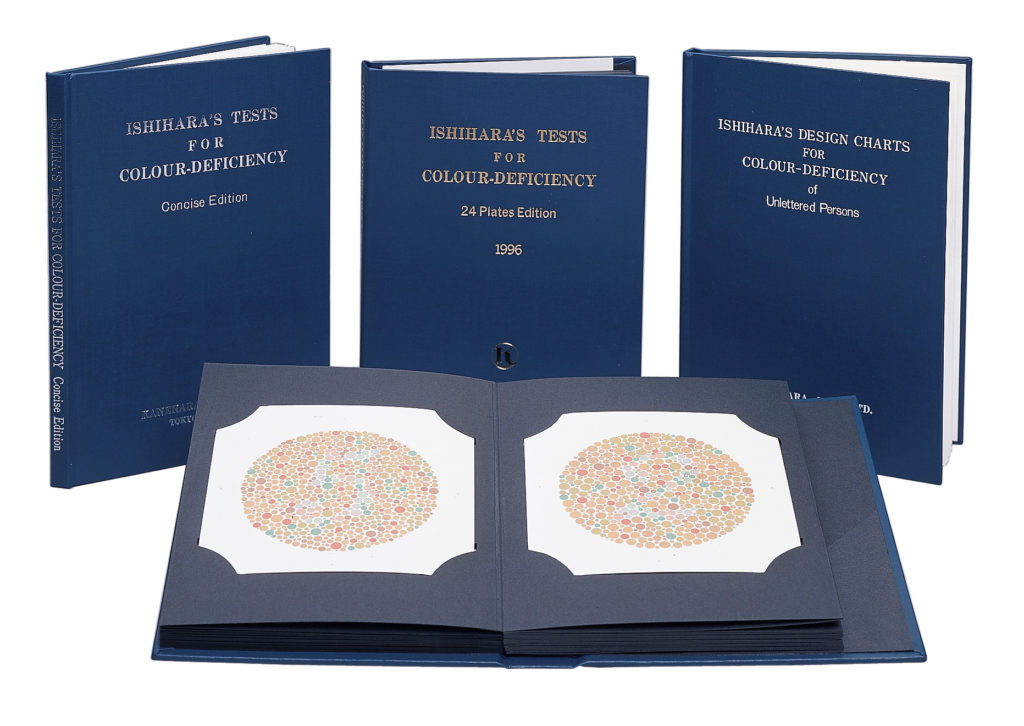
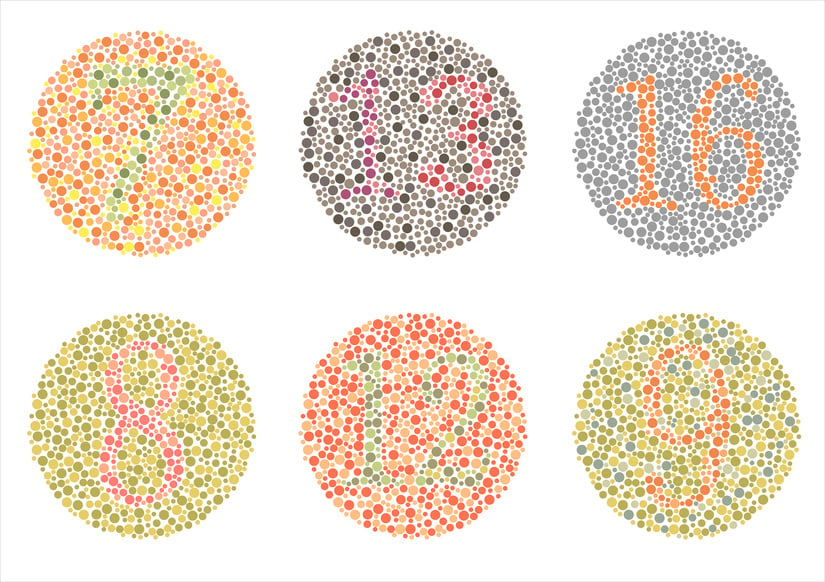
The renowned Ishihara color test, designed by Dr. Shinobu Ishihara, consists of a number of colored plates with a printed circle made of many different sized dots of slightly different colors, spread in a random manner.
Within the dot pattern, and differentiated only by color, is a number. Whether or not the number is visible and legible indicates what form of color blindness the viewer has. The full test consists of 38 plates but the presence of a deficiency is usually clear after fewer plates.
Contact us for more ideas and advice.
To download more information on this topic, click here.
Shelby Kenney is an Associate Product Manager at Graham-Field.